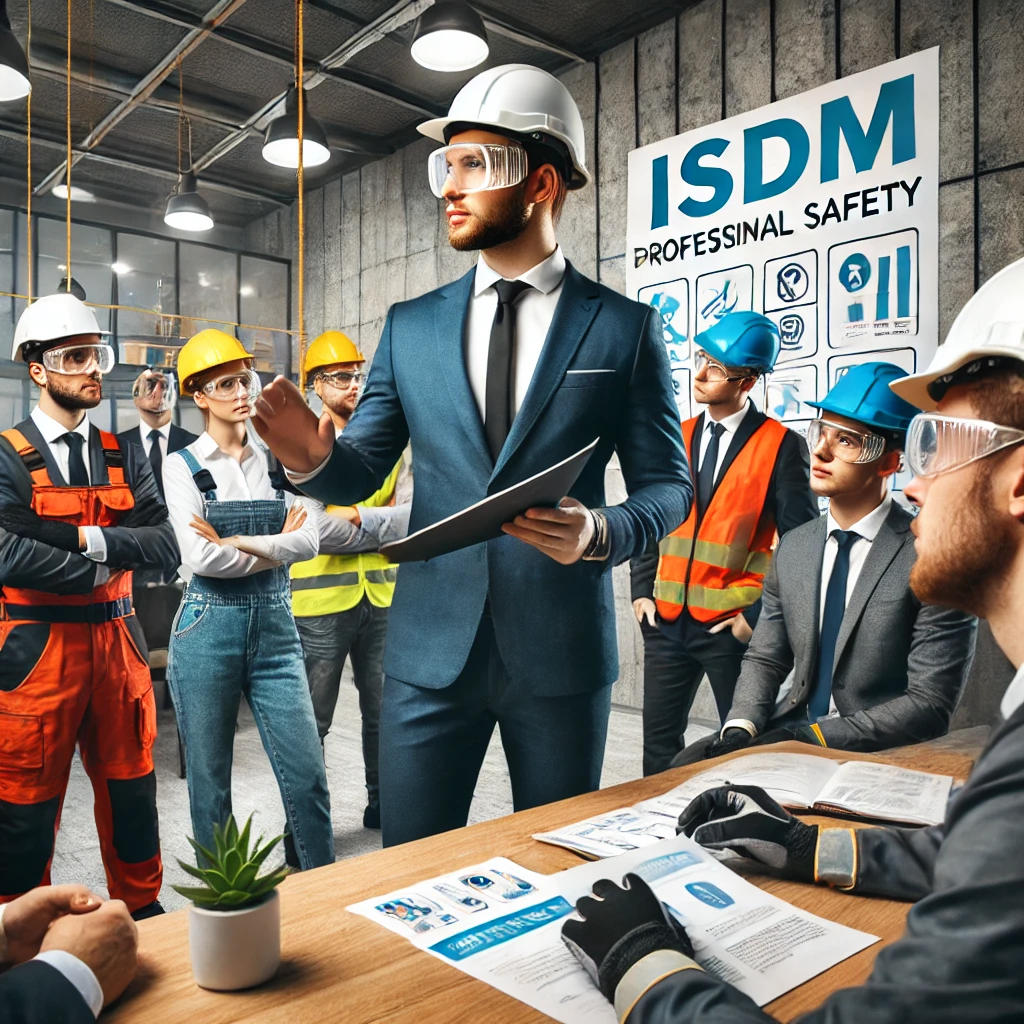
Ensuring workplace safety is vital for the well-being of employees and the overall efficiency of any organization. A well-structured training program can help employees understand safety standards, identify hazards, and effectively use personal protective equipment (PPE). This 1-2 day workplace safety training plan is designed to provide a comprehensive overview of these critical areas.
Day 1: Understanding Workplace Safety Standards and Regulations
1. The Importance of Workplace Safety Standards
Organizations must comply with local, national, and industry-specific safety regulations to create a safe and legally compliant work environment. Key benefits include:
- Reducing workplace accidents and injuries.
- Avoiding legal liabilities and penalties.
- Boosting employee morale and productivity.
2. Overview of Common Workplace Safety Standards
- OSHA Standards: The Occupational Safety and Health Administration (OSHA) provides guidelines for workplace safety in the U.S.
- ISO 45001: An international standard for occupational health and safety management systems.
- Industry-Specific Standards: Examples include safety protocols for construction, manufacturing, and healthcare sectors.
3. Training Activities
- Presentation: Provide an overview of relevant safety standards.
- Group Discussion: Discuss how safety standards apply to the specific workplace.
- Case Studies: Review real-life incidents to highlight the importance of compliance.
Day 2: Identifying Potential Hazards and Using PPE
1. Identifying Potential Hazards
A workplace hazard is any condition that can cause injury, illness, or property damage. Key categories of hazards include:
- Physical Hazards: Slips, trips, and falls; noisy environments.
- Chemical Hazards: Exposure to toxic substances.
- Biological Hazards: Viruses, bacteria, and other pathogens.
- Ergonomic Hazards: Poor workstation design leading to musculoskeletal issues.
Steps to Identify Hazards
- Conduct regular workplace inspections.
- Use risk assessment tools like HIRA (Hazard Identification and Risk Assessment).
- Engage employees in hazard identification through surveys and feedback.
Implementing Safety Measures
- Establish clear safety protocols for identified hazards.
- Install warning signs and labels where necessary.
- Provide training on emergency procedures, such as fire drills and first aid.
2. Proper Use of Personal Protective Equipment (PPE)
PPE is a critical component of workplace safety. Key types include:
- Head Protection: Hard hats to prevent head injuries.
- Eye Protection: Safety goggles and face shields.
- Respiratory Protection: Masks and respirators.
- Hand and Foot Protection: Gloves and steel-toe boots.
Guidelines for PPE Usage
- Ensure employees understand when and why PPE is required.
- Teach proper techniques for wearing, using, and maintaining PPE.
- Conduct regular inspections to ensure PPE compliance and functionality.
Training Activities
- Workplace Walkthrough: Identify hazards and discuss mitigation measures.
- Interactive Session: Hands-on training for proper PPE use.
- Quiz: Test participants’ understanding of PPE protocols.
Benefits of Workplace Safety Training
- Reduces Workplace Accidents and Injuries
- Equips employees with knowledge to identify and mitigate hazards.
- Promotes safe practices to prevent common accidents like slips, trips, and falls.
- Improves Compliance with Safety Regulations
- Ensures adherence to OSHA, ISO 45001, and other industry-specific safety standards.
- Reduces the risk of legal liabilities, penalties, and fines.
- Enhances Employee Well-Being and Morale
- Creates a safe and supportive work environment.
- Boosts employee confidence and job satisfaction.
- Increases Productivity and Efficiency
- Minimizes downtime caused by workplace accidents or injuries.
- Encourages a culture of accountability and responsibility.
- Cost Savings
- Reduces costs associated with workplace injuries, such as medical expenses and insurance claims.
- Lowers equipment damage and operational disruptions.
- Promotes Proper Use of PPE
- Ensures employees understand when and how to use personal protective equipment effectively.
- Reduces risks related to improper or inconsistent PPE usage.
- Prepares for Emergencies
- Improves readiness for handling workplace emergencies like fires, chemical spills, or natural disasters.
- Trains employees on first aid and evacuation procedures.
- Fosters a Culture of Safety
- Encourages proactive safety behaviors among employees.
- Establishes the organization’s commitment to employee health and safety.
These benefits collectively result in a safer, more compliant, and productive workplace environment.
Conclusion
By the end of this two-day training program, employees will have a solid understanding of workplace safety standards, the ability to identify and mitigate hazards, and the skills to properly use PPE. Regular follow-up training and assessments can further reinforce these practices, ensuring a safer and more productive work environment for everyone.
Implementing this training not only protects employees but also demonstrates an organization’s commitment to fostering a culture of safety and compliance.
Post a comment
Also Read

Time Management and Productivity Training
In today’s fast-paced world, mastering time management and productivity is essential to achieve both personal…

Sales and Marketing Skills Training
In today’s competitive business landscape, sales and marketing professionals need to stay ahead by mastering…

Quality Control and Assurance Training
In today’s competitive business environment, maintaining the highest standards of quality is not just a…

Project Management Training
Project management is a critical skill that drives the success of any organization. Whether you’re…